The Artful Utility of Flower, Floral Frame, and Watercolor Splash Digital Elements
In the world of digital design resources, a collection featuring flower, floral frame, and watercolor splash elements represents a versatile toolkit for creative projects. These are not simply random graphics; they are coordinated, vector-based design components typically created in programs like Adobe Illustrator. The common artboard size of 12 x 12 inches at 300 DPI in RGB color mode indicates they are designed for high-quality, scalable output. Their availability in SVG, JPG, and PNG formats bridges the needs of both print and web. Understanding the distinct nature of these elements, how they compare to other design resources, and where their strengths lie is crucial for anyone looking to enhance their creative work efficiently.
What Makes This Combination Distinct
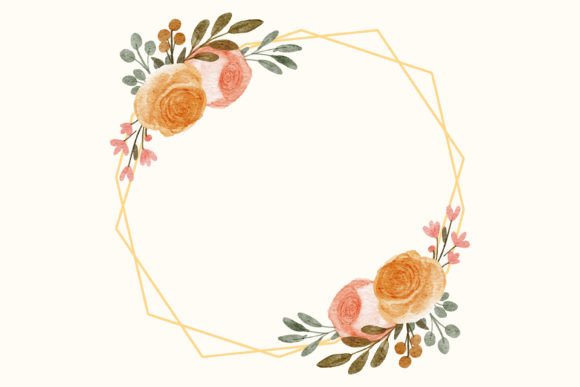
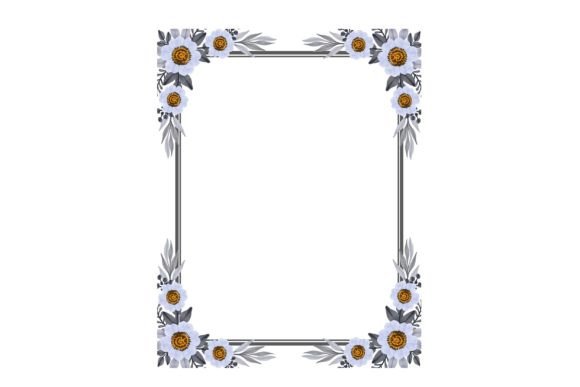
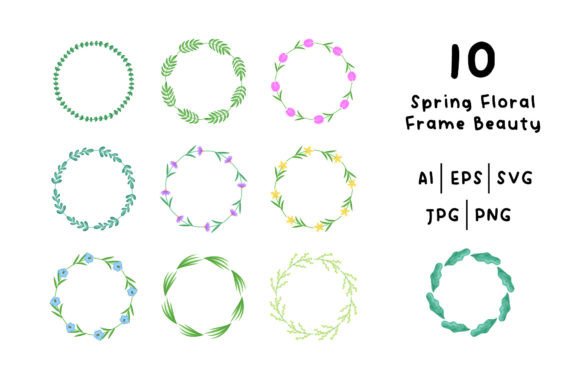
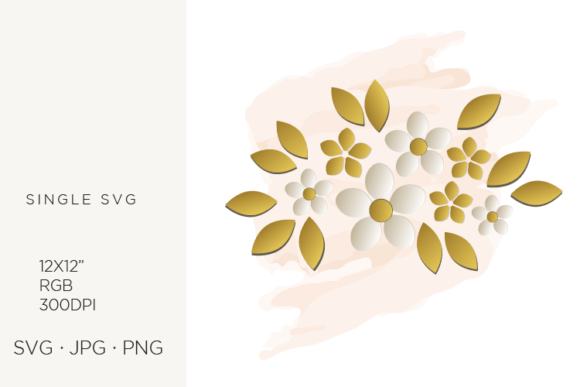
A bundle containing flower motifs, floral frames, and watercolor splashes offers a harmonious blend of structure, organic detail, and artistic texture. The floral frame provides a defined boundary or decorative enclosure, often intricate and symmetrical. The individual flower elements are the focal points—detailed, scalable blossoms that can be used independently. The watercolor splash introduces a soft, fluid, and painterly background or accent element, contrasting with the precise lines of the vector flowers and frames. This combination is distinct because it provides both precise, clean vector artwork (the flowers and frames) and an element that mimics a traditional artistic medium (the watercolor), all within a cohesive color palette designed for RGB use.
When compared to sourcing individual, unrelated graphics, this coordinated set ensures stylistic consistency. The colors match, the scaling is uniform, and the themes complement each other. This is a significant advantage over piecing together assets from various sources, which can result in clashing styles, inconsistent resolutions, and mismatched color profiles. The vector foundation (evident in the primary SVG format) means every flower and frame can be resized infinitely without losing quality, a core benefit over fixed-resolution raster images alone.
Comparing Formats and Application Scope
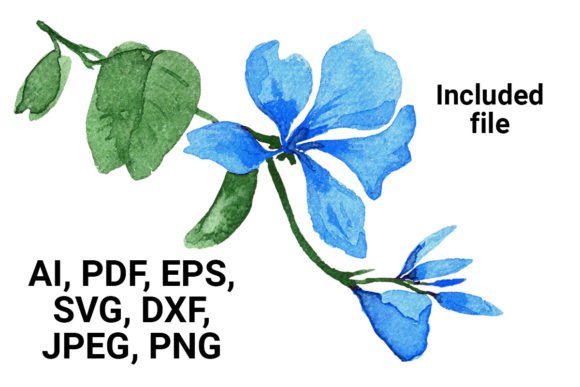
The multi-format offering—SVG, JPG, PNG—is a key point of comparison. SVG files are the vector source, essential for editing, customizing colors, or scaling for large-format prints like wall art. JPG files offer high-quality, compressed raster images suitable for digital documents or web use where full scalability isn't needed. PNG files provide transparency support, crucial for overlaying watercolor splashes or floral frames onto existing designs without a white background. This range compares favorably to bundles that offer only raster formats (like JPG/PNG alone), which lock you into a fixed size, or bundles offering only SVG, which might not be immediately usable for someone without vector software.
Strengths and Potential Tradeoffs
The primary strength of these flower, floral frame, and watercolor splash elements is their breadth of utility across physical and digital mediums. From logo design—where the SVG flowers can be manipulated into a unique brand mark—to printed paper items like invitations and stationery, the assets provide a professional starting point. The watercolor splash element, in particular, adds a contemporary, hand-crafted feel that is popular in modern design.
A tradeoff to consider is the stylistic specificity. A collection with a strong floral and watercolor theme is ideal for projects requiring organic, elegant, or romantic aesthetics. It may not be the best fit for tech-focused, minimalist, or industrial design projects. Furthermore, while the vector format offers flexibility, it requires access to and basic knowledge of vector editing software like Adobe Illustrator, Inkscape, or Affinity Designer to unlock its full potential. For users solely working in raster-based programs like Photoshop, the JPG and PNG files are useful, but the core scalability benefit of the SVG is diminished unless converted.
Evaluating Best-Fit Situations and Use Cases
These graphic elements are often the right choice when you need a cohesive, high-quality foundation for a project that blends natural beauty with artistic flair. For a small business owner creating a logo for a boutique, florist, or wellness brand, the scalable flower SVG combined with a watercolor splash background can form a unique, adaptable identity. For crafters and makers producing handmade cards or jewelry, the PNG files with transparency allow easy integration into physical crafts via printing or digital cutting machines.
In graphic and web design, the elements serve as ready-made, stylish components. A web designer might use the floral frame as a decorative border for a blog post header, while the watercolor splash could become a subtle background texture for a landing page. Compared to hiring a illustrator to create custom assets from scratch, using these pre-made elements saves significant time and cost, though it may sacrifice absolute uniqueness. The decision factor here is often budget, timeline, and the need for customization versus the acceptability of using a shared, professional resource.
When to Consider Alternative Options
You might need another option if your project requires a completely exclusive design that no other brand could potentially use. In that case, commissioning original artwork is the path. Similarly, if your project’s aesthetic is starkly different—geometric, cyberpunk, or vintage grunge—this floral and watercolor set would be a mismatch. Alternatives could include bundles of geometric vector patterns, vintage engraving illustrations, or modern UI icon sets.
Another consideration is technical requirement. If your entire workflow is based in a specific software that doesn’t handle SVG well, a bundle offering native files for that software (like .AI for Illustrator or .EPS for legacy print workflows) might be a more direct fit. However, SVG’s wide compatibility often mitigates this. Lastly, if you need animated elements for web design, static watercolor splash and flower graphics won’t suffice; you would need to look for resources specifically designed for animation, perhaps in Lottie or GIF formats.
Practical Comparisons in Real Projects
Imagine you are designing a wedding invitation suite. Using these flower, floral frame, and watercolor splash elements, you could quickly assemble a layout: a floral frame surrounds the text, a delicate flower cluster accents the corners, and a soft watercolor splash provides a background wash. Compared to using a template from a mass-market invitation website, your design has more unique components you can adjust. Compared to buying individual stock photos of flowers and watercolor textures, the vector elements give you cleaner edges and easier color matching for your chosen wedding palette.
For a graphic designer creating branded social media posts for a spring campaign, the watercolor splash PNGs can be layered over photos to create a consistent seasonal theme, while the flower SVGs can be resized for various icon needs. This approach compares to using canned social media templates that might not align perfectly with brand colors, or to using free, low-resolution clipart that pixelates when enlarged. The 300 DPI resolution ensures print readiness, a factor often missing in free web-focused resources.
The utility extends to physical products like printed wall art. The large 12x12 artboard size at high resolution means you can print these designs as-is onto canvases or posters without upscaling and risking blur. An alternative would be to license stock illustrations from a major agency, which might offer more variety but at a higher recurring cost and with more restrictive licenses.
Making an Informed Decision for Your Needs
Choosing to use a bundle of flower, floral frame, and watercolor splash elements is a decision based on balancing quality, versatility, cost, and creative direction. Evaluate your primary output mediums: are they print, web, or physical crafts? Assess your software capabilities: can you edit SVG files? Define your stylistic needs: does the organic, watercolor-enhanced floral style support your project’s mood?
These elements shine as a foundational resource for creators who value a blend of precision and painterly style. They are less suited for projects requiring hyper-realism, total exclusivity, or non-organic themes. By understanding the inherent comparisons between vector and raster formats, between themed bundles and generic clipart, and between pre-made assets and custom illustration, you can better assess if this type of digital graphic collection is the right tool to accelerate and beautify your next project.