The Floral Motif Divider in Botanical Design
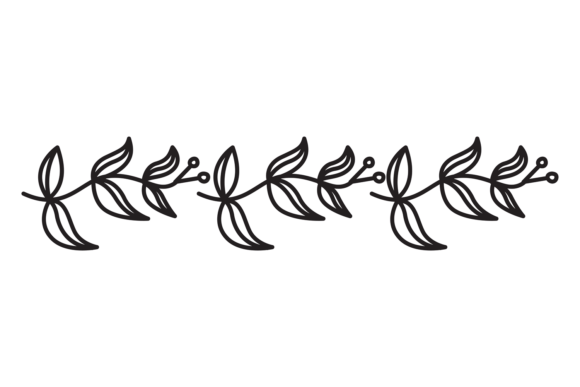
In the realm of graphic design and decorative arts, the term Floral Motif Divider. Botanical Decorati typically refers to a specific type of digital or printable graphic element. It is a decorative branch border or floral divider isolated on a plain background, often provided in file formats like EPS and JPG. This design element serves a functional and aesthetic purpose, acting as a visual separator within layouts while infusing them with natural, botanical elegance. Understanding its characteristics, applications, and trade-offs is crucial for designers, content creators, and crafters evaluating its use for their projects.
Core Characteristics and Common Uses
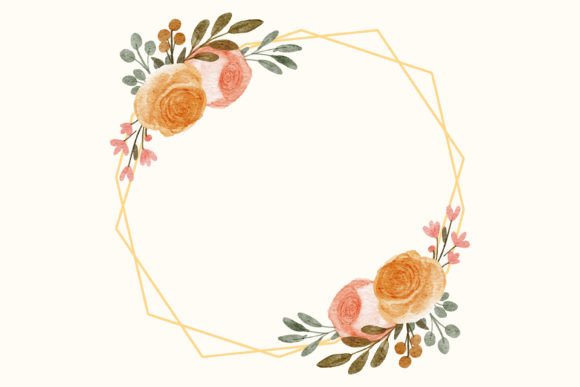
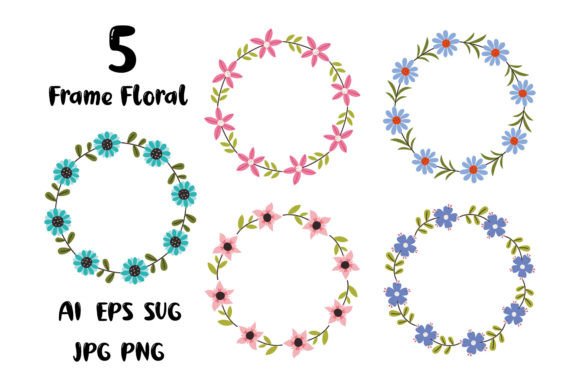
A floral motif divider is fundamentally a linear graphic featuring stylized branches, leaves, flowers, or vines. Its "isolated on white background" specification means it is designed with clean edges and no complex background, making it easy to integrate into various compositions. The EPS format indicates a vector file, scalable to any size without loss of quality, ideal for professional print design. The JPG offers a raster image, more accessible for quick digital use. This botanical decorative element is frequently employed to separate sections of text in invitations, certificates, website headers, or blog posts. It can also frame content, adorn stationery, or enhance packaging design, providing a softer alternative to geometric lines or bold bars.
Reasons for Interest and Key Benefits
Individuals researching this design element are often seeking to elevate a project's visual tone. A primary reason for interest is the desire to incorporate organic, natural aesthetics into a design scheme without commissioning custom illustration. The predefined, isolated graphic offers immediate usability. The key benefits are multifold. First, it introduces a touch of refined, timeless beauty, which can make communications feel more personal and artful. Second, its functional role as a divider helps organize content visually, guiding the reader's eye in a pleasing way. Third, the availability in vector format provides significant flexibility for resizing and adaptation across multiple mediums, from a small social media graphic to a large printed banner.
Furthermore, the botanical theme carries universal positive connotations—growth, freshness, tranquility—which can subtly reinforce brand messaging or event themes. For DIY crafters and small business owners, such a ready-made element can be a cost-effective tool to achieve a professional look. It saves time compared to creating a similar motif from scratch, while offering more stylistic control than a fully complex, busy background pattern.
Important Trade-offs and Considerations
While the floral motif divider is a versatile tool, it is not universally applicable. One major consideration is stylistic alignment. The botanical motif, especially in classic or ornate renditions, may clash with ultra-modern, minimalist, or tech-focused design environments. Its use requires a cohesive theme. Another trade-off involves versatility versus uniqueness. While the element is convenient, it is also a stock graphic; widespread use of the same divider could dilute brand uniqueness if not modified or combined with other original elements. Users must assess whether a standard graphic suffices or if a custom-designed border is necessary for differentiation.
Technical considerations are also vital. Although the vector EPS file is scalable, effectively using it requires software capable of editing vector paths (like Adobe Illustrator). The JPG file, while easier to place, has limitations in scaling and may not be suitable for high-resolution print applications. Expectation management is key: the isolated graphic is a component, not a complete solution. Its impact depends on skillful integration with typography, color palettes, and overall layout balance.
Situations Where It Is a Strong Fit
The floral motif divider excels in specific scenarios. It is a strong fit for projects with a natural, elegant, rustic, or romantic theme. This includes wedding stationery, boutique product labels, wellness blog layouts, and certain educational materials focusing on biology or gardening. It is also highly suitable for projects requiring a quick visual upgrade where budget or time constraints preclude custom artwork. For instance, a cafe updating its digital menu or a community group designing a certificate of appreciation can leverage this element to add charm efficiently.
Additionally, it aligns well with designs targeting audiences that appreciate craftsmanship and softer aesthetics. In print media like brochures or books where section breaks are needed, a botanical divider can reduce visual monotony of text-heavy pages. When the goal is to convey professionalism paired with a warm, accessible tone, this motif often serves as an effective bridge.
When to Consider Alternatives
In some situations, alternatives may be more appropriate. If the design brief calls for extreme modernity, boldness, or a tech-savvy image, alternatives like geometric line dividers, dynamic color blocks, or abstract digital patterns might better serve the purpose. For brands with a very specific visual identity already built around unique icons or logos, using their own branded elements as separators could be more cohesive than introducing a generic botanical shape.
Another scenario warranting alternative consideration is when the divider needs to carry specific symbolic meaning beyond general natural beauty. For example, a legal document or a corporate annual report might benefit from more neutral, formal separators. Furthermore, if the project scope is large and highly repetitive—such as a series of webpages—investing in a custom, reusable suite of design elements, including a unique divider, could offer better long-term value than repeatedly licensing a single stock graphic.
Practical Decision-Making Insights
To determine if a floral motif divider aligns with your needs, start by auditing the visual context. Analyze the existing color scheme, typography, and overall design direction. Does a botanical element complement them? Next, evaluate the functional requirement: is the primary need for subtle organization, decorative embellishment, or both? Consider the technical workflow: do you have the software and skill to utilize a vector file if needed, or is a ready-to-place JPG the practical choice?
It is also helpful to assess the project’s lifecycle. For a one-time event invitation, a stock floral divider may be perfect. For an ongoing brand identity, consider modifying the graphic (changing colors, combining elements) to make it more proprietary. Always balance the desire for aesthetic enhancement with the imperative of clear communication; the divider should aid readability and flow, not obstruct it. By methodically weighing these factors—style, function, technical format, and project scale—you can make an informed decision on whether the Floral Motif Divider. Botanical Decorati is the right decorative tool to achieve your specific creative and communicative goals.